On November 5, 2026 (US time), The New York Times reported on a copy of the exclusive contract that NewJeans signed with ADOR before debut, and the story has become a major topic in Korea. This article separates what was reported from what HYBE (ADOR) and Min Hee-jin's side each claim.
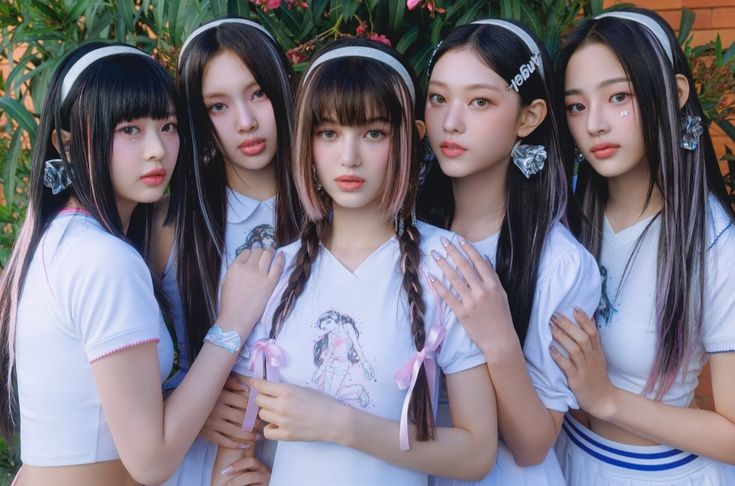
Note: This is a summary of reports by Korean media (OhmyNews, Hankyung). We have not seen the contract ourselves, and each party's statements are presented as that party's claims, not as established fact.
📋 Key Points
- The NYT obtained the contract the five members signed before debut (they were 14–17 at the time) and called it "unusually restrictive."
- It reported that the contract lacks provisions found in the government's standard contract protecting minors' education, sleep and rest.
- HYBE says it was a lawful contract negotiated for about three months with parental consent, and that a youth-protection addendum existed.
- Min Hee-jin's side says HYBE's legal team drafted the contract and that HYBE is shifting responsibility.
📰 What the NYT Reported
| Protection of minors | No provisions guaranteeing physical and mental health, education, sleep and rest as in the government standard contract, and no clause against excessive exposure or long working hours. |
| Conduct restrictions | Bans "insincere attitude," "poor self-management," "inappropriate dating" and discriminatory remarks, and limits public statements that harm the company's reputation whether true or not. Experts said this widens the company's discretion to find a breach. |
| Costs | The members bear most cosmetic costs such as plastic surgery and skin care (repaid later). Experts the NYT spoke to rated the financial terms themselves as relatively common in K-pop. |
| Name, face and voice | After the contract ends, the company can still use the members' names, faces and voices and license them to third parties. The NYT said this could extend to AI voice cloning or chatbots, though its legal effect is unclear. |
| Penalty calculation | Monthly average revenue is calculated only from months in which revenue was earned, which critics say can raise the penalty. |
| Negotiation | When one member's parent asked for changes, ADOR's then vice president reportedly replied, in effect, that if the draft was not acceptable the contract itself might be reconsidered. |
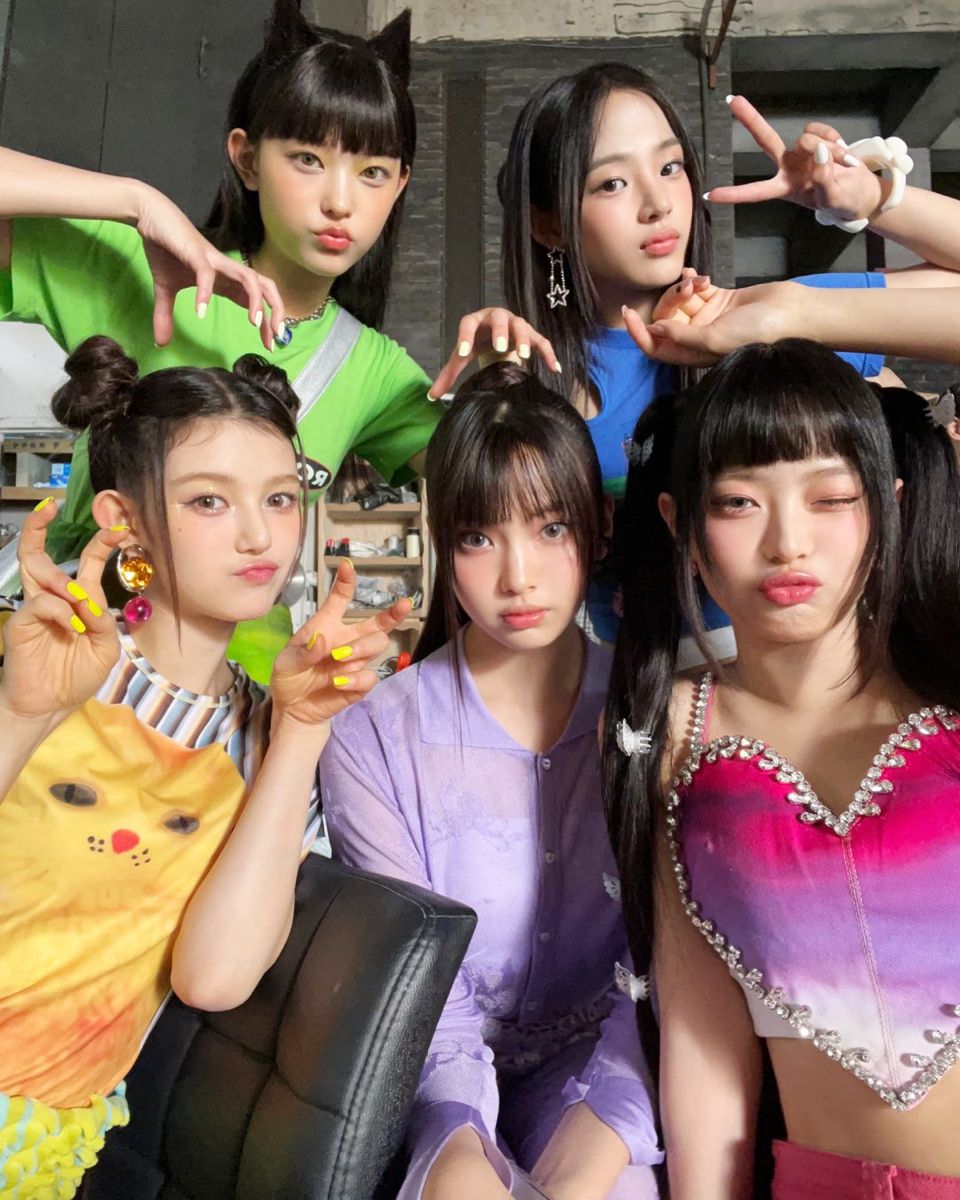
According to OhmyNews, the NYT also cited anonymous sources saying members often practiced until 2 a.m., practice rooms were video-recorded, and four of the five members left school as trainees. These are the anonymous sources' accounts as reported.
🏢 HYBE (ADOR)'s Position
- The first draft was shared on January 7, 2022 and the contract was signed in April, after about three months of Q&A, email exchanges and review by the artists' lawyers. HYBE says a court decision also recognized that it was fully discussed.
- A youth-protection addendum and human-rights provisions guaranteed sleep, education and rest, and cost-sharing and penalty methods were not changed to the members' disadvantage.
- HYBE says the government standard contract is a non-binding recommendation and that the adjusted terms were accepted by the parents (Hankyung).
- It says it did not demand plastic surgery or recommend procedures against anyone's will, and that because the company covered initial costs the members debuted without trainee-era debt and were paid settlements right after starting activities.
- On penalties, HYBE says the method follows industry standards and, since revenue arises every month, it would not actually raise the penalty.
- CCTV in practice rooms is for safety in shared spaces only, and using members' voices or faces in AI content requires individual consent.
- HYBE says that then-ADOR CEO Min Hee-jin, her appointed vice president, the members and parents, and some members' lawyers adjusted the wording and signed, and that it asked the NYT to state this but it was not reflected.
🗣️ Min Hee-jin's Side
- Says the draft was written by HYBE's legal team and revisions were also handled through it.
- Says ADOR only relayed communication with the artists and passed parents' questions and change requests to HYBE's legal team.
- Says a subsidiary CEO could not approve anything without HYBE's CEO and criticizes HYBE's statement as shifting blame.
The two sides directly conflict on who drafted the contract and who is responsible.
⚖️ Reactions
- Lawyer Roh Jong-eon: the contract restricts artists' freedom more than is seen even in recent major-label deals.
- Other legal experts: the wording is vague, so the range in which the company can claim a breach may be too broad.
- US entertainment lawyer Dina LaPolt: such contracts are relics that have largely disappeared in the US (NYT).
- A former JYP Entertainment marketing staffer: given the agency's investment, the terms look fair (NYT).
- The NYT also noted that K-pop exported over $300 million in albums last year and drives cosmetics, fashion and tourism, so the Korean government has little reason to regulate the industry.
According to OhmyNews, online reactions are mostly critical ("close to modern slavery"), while some say the agency's risk and the parents' responsibility should also be considered.

🕰️ Background (per Hankyung)
| April 2022 | NewJeans signed with ADOR (per HYBE) |
| 2024 | NewJeans announced the termination of their contract |
| March 2025 | A court was reported to have sided with ADOR |
| December 2025 | ADOR terminated Danielle's exclusive contract and sued, citing work refusal, unauthorized solo activity and contracts with third parties. The claim is about $22 million, mostly penalties; Danielle's side filed a complaint with the Fair Trade Commission, calling it retaliation. |
❓ Frequently Asked Questions
What did the NYT report about NewJeans?
It obtained the exclusive contract the members signed before debut and reported that it lacks standard-contract protections for minors' education, sleep and rest, and contains conduct restrictions and rights over names, faces and voices.
How does HYBE respond?
It says the contract was lawful, negotiated for about three months with parental consent, with a youth-protection addendum, and that it did not demand plastic surgery.
What does Min Hee-jin's side say?
That HYBE's legal team drafted the contract, ADOR only relayed communication, and HYBE's statement shifts blame.
Has the contract been verified?
We have not seen it. We summarize the NYT report as relayed by Korean media and keep each party's claims separate.
🔗 Sources
・OhmyNews, Nov 7, 2026 (Korean)
・Hankyung, Nov 6, 2026 (Korean)
Based on Korean media reports as of November 7, 2026. Each party's statements are their own claims and not stated as fact. Details may be updated.